
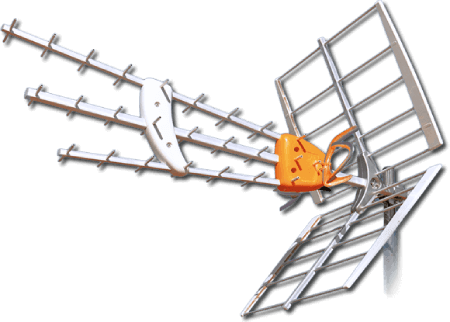
A Simple Guide to Digital Antennas - How to Choose and Enjoy Free TV

Digital antennas are back in style. As the number of monthly fees associated with streaming services continues to grow, free digital antennas bring your favorite shows and sports - including local news - to you, your television, and your home, all without monthly service charges.

Like cable or satellite, a digital antenna is a one-time buy. It lets you pick up broadcasts from local TV stations, providing you with great content without requiring a subscription. This guide will explain what digital antennas are, how they work, and how to choose the best one for your home or office. By the end, you'll know how to set up a clear and steady TV signal for free.

Guide to choose digital antennas

What Is a Digital Antenna

A digital antenna captures broadcast signals from local TV stations. It works pretty much like the old "rabbit ears" antennas used to sit on old sets, but it's for digital signals. That typically brings a sharply defined picture and sound in HD.

When you opt for a digital antenna, your TV will receive signals directly from the broadcaster. That means it might give you a better picture than cable because the signal does not have to compress itself. You get clear images and sound without someone reducing the quality.

Digital antennas will, no doubt assist someone in having easy and affordable access to local channels. Here, you shall be capable of managing local news, sports, or special events without paying monthly fees. Be it in town or the suburbs, you can have television without having to worry about any complications using digital antennas.

There are various kinds of antennas, indoor and outdoor, depending on your situation and how close you might be to broadcast towers. Wherever you stay in, you can have a digital antenna that is effective in getting the channels you wish at no cost.
How Do Digital Antennas Work

Digital antennas help you get free channels on your TV. The TV stations send out signals from the air into your antenna, where it catches like a ball. Once caught, your antenna proceeds to transmit the signal to your TV.

Your television takes these signals and converts them into audio and video that you can listen to and watch. Because digital antennas are designed to receive HD signals, you experience a clearer picture and better sound than with old analogue antennas that often have static and poor quality.

Think of the antenna as a connection between the broadcast towers and your TV. Digital antennas will also cut down noise and interference so that you won't see fuzzy screens or ghost images. Just plug in your antenna, and if you're close enough to the broadcast source, you'll get a clean signal without monthly fees or complicated setups.

Benefits of Digital Antennas

Digital antennas are a vast improvement over the old analogue types. A much more obvious benefit is better picture and sound quality. You either get a clean signal or nothing at all, so if you're in range, you're going to see a crisp image without any fuzz or ghosting.

Access to more channels has already become one benefit. One can obtain the main channels, in addition to extra sub-channels that offer different content, for free. Since once paid for, one only pays for the antenna, money is saved, which one would pay for cable or satellite services.

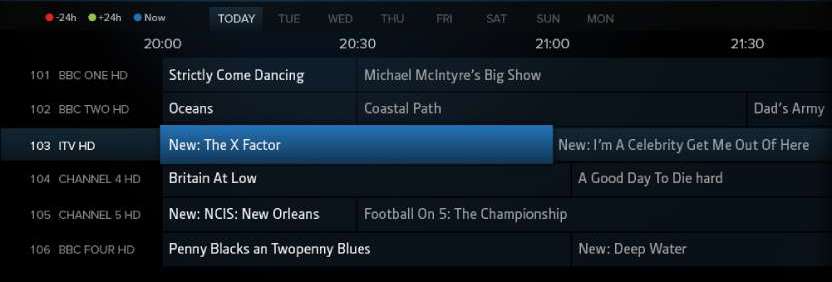
Many digital antennas also feature electronic program guides (EPGs). This means you get to know what's next without necessarily flipping through channels. The experience thus becomes very convenient and reliable when compared to trying to adjust old antennas for a good signal.

The benefits of digital antennas

Choosing the Right Digital Antenna

To choose the best digital antenna, consider a few important factors to get the best reception.

Check Your Location and Signal Strength

First, consider how close you live to cities. If there are some broadcast towers at a distance from your home, your choice of antenna will be determined by the distance from your place to the towers. Indoor antennas can perfectly work in far-distant cities or more urban areas where signals are strong. Outdoor antennas may be useful in cases where you are far away or reside in a rural area.

You can use tools that include the FCC signal maps or apps checking the signal power in your area. These resources will show which channels you can receive and whether you need a stronger antenna.

Think About Your Building's Materials

Then, consider your house materials. Thick concrete walls or metal can be a barrier against signals. If you live in an apartment or there are a lot of barriers in the building, then the only way can be outside or with a high-gain antenna. Do not forget that the walls and metal constructions lower the level when you choose an antenna.

Indoor vs. Outdoor Antennas

Decide whether you want your antenna to be inside or outside. Indoor antennas are easier to install and would work if you are not too far from the sources of broadcasting. Indoor antennas are also very small and easy to install. But if you are located far from the broadcast towers or there are obstacles like buildings or trees, an outdoor antenna may make better reception. Outdoor antennas tend to have much stronger reception if mounted at a higher position and viewing angle towards the broadcast towers.

Conclusion

Getting a digital antenna is smart for high-definition TV at no monthly fee. A good antenna allows you to get the local channels with high definition and no contracts involved. With many factors in mind, you can achieve optimum performance with your location, type of house, and weather.

Knowing where you live is what will let you make the smart choice between an indoor antenna and an outdoor one. Rest assured, with the proper configuration, you can enjoy free local programming in crisp HD.

If you are interested in getting started, you can refer to the FCC or consumer electronics guides. Having all this information ready, you can now select a good antenna and begin receiving your programs without the need to pay costly subscription fees.