
How to Choose the Right TV Antenna for Your Needs

Are you tired of seeing the price of your cable increasing every month and yet cannot view some channels that you dearly wish to access? Then, you are certainly not alone. In recent times, more and more people have been turning to digital antennas as a cheaper and more efficient option than cable television. Whether you reside in a large city or a small town, digital antennas can bring many free broadcast channels right into your home. In this blog post, we'll run through some of the advantages of digital antennas as compared to cable TV, discuss some of the types available, and give you some tips on choosing the best for your needs, even if you live in a difficult area.

Advantages of Digital Antennas over Cable TV

Cutting Costs Without Cutting Corners

This is one of the great benefits when you shift to a digital antenna since you'll be saving money. A cable TV subscription costs hundreds of dollars a month, especially if you add premium channels. A digital antenna only costs to buy once, and then that's it. You get to enjoy continuing to get local news, sports, and entertainment channels without adding some recurring bills against your budget.

Superior Picture Quality

The picture quality of digital antennas is often way better than what you get on your cable TV. Cable signals compress these and may degrade the quality of images and sound effects. Digital antennas receive uncompressed signals directly from broadcast towers hence delivering bright, high-definition content on your screen with quality similar to what your TV can offer.

Freedom from Service Providers

Are you sick of cable companies, all the contracts, outages, and all the customer service headaches? Digital antennas free you up from service providers. No contract, no negotiating packages, and no surprise fees will plague you. You control your TV viewing experience without having to rely on a provider's schedule or have their technical issues interrupt what's playing.

Types of Digital Antennas and How to Choose the Best One

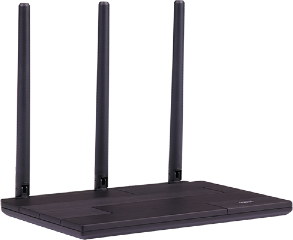
Indoor antennas

Indoor vs. Outdoor Antennas

When it comes to digital antennas, one size doesn't fit all. The first decision you'll need to make is whether to go with an indoor or outdoor antenna.

  • Indoor Antennas

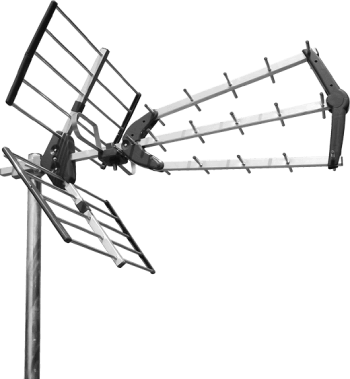
  • Outdoor Antennas: Outdoor antennas are highly recommended to people who are far from broadcast towers or to people who reside in areas that are so heavily driven by obstructions of buildings and hills. They have a wider reception range compared to indoor antennas. You can place an outdoor antenna on your roof or attic to get better signal strength.

Directional vs. Omnidirectional Antennas

It is essential to understand whether you would require a directional or an omnidirectional antenna for the optimization and expansion of your channel lineup.

  • Directional Antennas: The antennas send the receiving signal in one direction. If most of your broadcast towers are located in one place from your home location, the directional antenna will give you fuller access to a stronger, better signal.

  • Omnidirectional Antennas: These collect signals originating from all directions. Convenient when you have a number of broadcasting towers distributed all over you or do not know which directions the signals are coming from.

Directional or omnidirectional antennas

Factors to Consider When Choosing an Antenna

Selecting the right antenna involves considering several key factors:

  • Signal Range: Measure the distance from your house to the nearest broadcast tower. Antennas have ratings on ranges, therefore you get one appropriate for how far you need a signal.

  • Installation Ease: Determine whether to install the antenna yourself or employ someone to do it for you. Indoor antennas are relatively simple to set up, while the outdoor types would require mounting hardware and possibly more effort.

  • Aesthetic Preferences: Indoor antennas can come in almost any design, sometimes even resembling decorative items. If you care about how something looks, you should be able to find a fashionably pleasing option.

Receiving a Digital Signal in Hard-to-Reach Areas

Overcoming Challenges in Remote Locations

Digital signals, of course, are not always able to reach rural areas and mountainous regions, and sometimes, even the remotest places. The terrain of such areas, as well as your actual distance from any broadcast towers, may impact reception, further weakening the signal. But using the proper equipment and setup can secure you free channels over the air.

Installation Tips for Optimal Reception

  • Raise Your Antenna: The bigger the reception, the higher your antenna is. You can mount it up on a roof or even on a pole above any obstruction.

  • Use a Signal Meter: This will allow you to search for the best position and correct angle that your antenna should take according to the actual signal strength.

  • Avoid Interference: Keep your antenna at a safe distance from metallic objects and electronic devices, as they can cause interference.

  • Quality Cabling: Use good coaxial cables when connecting your antenna to the television. Poor-quality cables weaken the signal.

Conclusion

Switching to a digital antenna from cable TV can change everything for you. Not only can you save a considerable amount of money, but you might also enjoy better picture quality and newfound freedom from service providers. Thanks to the different types of antennas that exist, you are sure to find one suited to your specific needs when situated either in the heart of the city or far off the beaten path. In order to select the best solution that meets your demands, you need to know your options as well as how to overcome problems. Then, you will be able to start enjoying free, high-quality broadcasts in no time.